As a business consultant in Jaipur, I have seen this pattern many times. A business owner feels pressure because work is increasing, customers are waiting, deadlines are slipping, and the existing team looks overloaded. The most common solution that comes to mind is simple: hire more people. The assumption is logical. If there is more work, there should be more people to handle it.
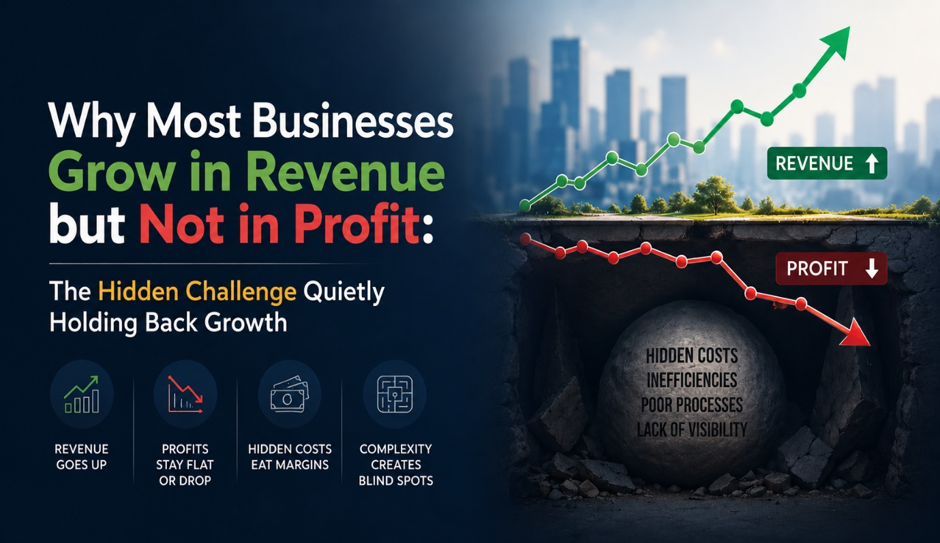
A few months later, the same business owner often feels frustrated. The team is bigger, salary costs have increased, the office feels busier, but the results have not improved in the same proportion. Sometimes, profit has even reduced. The owner begins to wonder why the additional people have not solved the problem.
This happens because a bigger team does not automatically mean a better business. A better business is built on clear roles, strong systems, capable managers, disciplined execution, and the right people in the right roles. Hiring more people only helps when the foundation is strong.
The Real Reason Businesses Hire More People
Most business owners do not hire randomly. They hire because they feel pressure. Sales are increasing, so they hire more salespeople. Operations are getting delayed, so they hire more operations staff. Customer complaints are rising, so they hire more support people. The owner is doing too much, so they hire assistants or managers.
The intention behind hiring is usually right. The business genuinely needs support. But sometimes, the business does not need more hands. It needs better direction, better processes, and better accountability.
When I work with business owners in Jaipur as their business coach, I often ask one question before they hire: “Is the problem capacity, or is it clarity?” Many times, they pause because when they look closely, they realise the team is not only overloaded. The team is also confused. People do not know what to prioritise, two people may be doing similar work, nobody is fully responsible for certain outcomes, and decisions keep coming back to the owner.
In such a business, adding people is like adding more passengers to a vehicle that does not know its destination. The vehicle becomes heavier, but it does not move in a better direction.
What Happens When You Hire Without Clarity
When a new employee joins a business that lacks clarity, they are often given a designation, a desk, and a list of tasks. But they are not always given a clear understanding of what result they are responsible for, which decisions they can take themselves, when they should ask for help, or how their work will be measured.
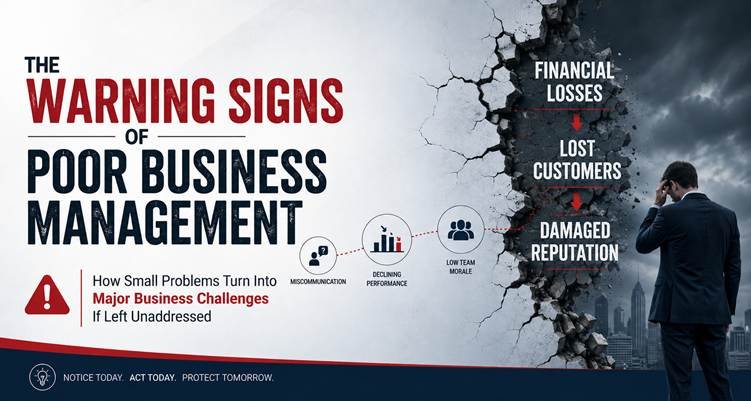
As a result, they start doing what most people do in an unclear environment. They wait for instructions, ask for approval, escalate small issues, and avoid taking ownership because they are afraid of making a mistake. The owner feels even more burdened because now there are more people to guide, review, and correct.
The business becomes bigger, but not necessarily stronger. More people are working, but the same problems continue. This is why hiring without clarity often increases cost without improving performance.
Why a Bigger Team Can Become Slower
It may sound strange, but a bigger team can sometimes make a business slower. A small team moves quickly because communication is simple. Everyone knows what is happening, decisions are quick, and if something goes wrong, the owner can step in and fix it.
As the team grows, coordination becomes more complex. There are more opinions, more meetings, more follow-ups, more approvals, and more chances for confusion. A task that earlier needed two people may now require five people, three discussions, and multiple approvals.
The business becomes busier, but not necessarily more productive. I have seen businesses where the team size doubled, but output did not improve much. The reason was not that employees were incapable. The reason was that the business had grown in headcount but not in structure.
The First Question: Capacity or Clarity?
Before hiring, do not start with the question, “How many people should we add?” Start with a more important question: “What exactly is not working?”
Be specific. Do not say, “Operations are weak.” Say, “Orders are getting delayed because nobody owns the follow-up after production is complete.” Do not say, “Sales are not growing.” Say, “Leads are coming, but follow-up stops after the first call.” Do not say, “The team is not performing.” Say, “The team is unclear about priorities, and the manager is not reviewing work regularly.”
When you define the problem properly, the solution becomes clearer. Sometimes the answer is hiring. Sometimes it is training. Sometimes it is restructuring. Sometimes it is removing unnecessary work. And sometimes, it is changing how the owner leads.
When Hiring Is the Right Decision
As a growth strategist, I am not against hiring. A business cannot grow with an overloaded team. There are situations where adding people is absolutely necessary.
You may genuinely need to hire when:
- The team is consistently working beyond capacity
- Quality is suffering because people do not have enough time
- Customer demand is increasing and cannot be managed
- Important work is being delayed repeatedly
- Employees are doing overtime for months
- You are losing orders because you cannot deliver on time
- A new function needs dedicated ownership
- Your systems are clear, but capacity is still short
The key word is “consistently.” One difficult month is not always a reason to hire. But if the workload has been higher than your team’s capacity for several months, and your systems are already working, then hiring may be the right step.
When You Should Not Hire Yet
You may not need more people if:
- Work is delayed because responsibilities are unclear
- The same mistakes keep repeating
- Employees need training, not more colleagues
- Work is duplicated between departments
- Too many people are involved in small decisions
- The founder is still handling routine tasks
- Performance is not being measured
- Managers are not able to guide the team
- There is no clear process for routine work
In these situations, hiring more people may increase cost without improving results. First fix the system. Then decide whether you need more people.
Clear Roles Create Accountability
One of the biggest reasons teams underperform is role confusion. People are busy, but nobody is fully accountable. For example, in many businesses, customer complaints are handled by everyone and therefore by no one. Sales says operations should have informed the customer. Operations says sales promised an unrealistic delivery date. The owner gets involved, solves the issue, and feels frustrated. Nothing changes because nobody owns the process.
A clear role answers important questions:
- What is this person responsible for?
- What decisions can they take?
- What must they escalate?
- Whom do they report to?
- How will their performance be measured?
- What does success look like in their role?
When roles are clear, people stop waiting for instructions and start taking ownership.
Build Systems Before Increasing Headcount
Before adding people, build systems. A system is simply a repeatable way of doing work. It tells people what needs to be done, how it should be done, who is responsible, what standard is expected, and what to do when something goes wrong.
For example, if your team handles customer enquiries, create a simple process. Every new enquiry should be recorded the same day. The responsible person should respond within a defined time. The customer’s requirement should be understood properly. Follow-ups should happen on fixed days. If the enquiry is not converted, the reason should be recorded. A weekly review should identify recurring issues.
This is not complicated, but it creates discipline. It also tells you whether you truly need more people. If the team is following a clear process and still cannot manage the volume, hiring becomes easier to justify. If the team is not following a process, hiring may only increase confusion. This is the kind of system-driven approach I follow in my business consulting work with owners in Jaipur and across India.
Managers Matter More Than Team Size
Many business owners focus on hiring employees but ignore the quality of management. A team without a capable manager may look busy, but it may lack direction, discipline, and ownership.
Gallup’s research found that managers account for 70% of the variation in team engagement, which means the quality of the manager strongly affects how engaged and productive the team is (Gallup).
This is something I have seen repeatedly. A good manager can take an average team and improve its performance. A weak manager can take a capable team and create confusion. Before expanding a team, ask whether the team has a capable leader who can set clear expectations, review work regularly, handle conflicts, develop people, and take ownership of results.
Sometimes, the best investment is not another employee. It is developing the manager.
Measure Output, Not Headcount
Many businesses measure team size. Few businesses measure output. Instead of asking, “How many people do we have?” ask what output the team is producing, what results are being achieved, what the cost per outcome is, what the productivity per person is, where time is being wasted, and which activities can be simplified or removed.
For example, instead of saying, “We have 20 people in operations,” measure orders processed per person, error rate, delivery time, customer complaints, rework percentage, and cost per order. These numbers give you a clearer picture of performance. A smaller, well-managed team with strong systems can often outperform a larger, poorly managed team.
The Founder’s Role in Team Performance and Business Growth
Team performance is not only an HR issue. The founder’s behaviour shapes the team. If the founder changes priorities frequently, gets involved in every small decision, does not delegate authority, avoids difficult conversations, does not review performance, or creates unclear expectations, the team becomes dependent, confused, or passive.
If the founder sets clear direction, defines priorities, delegates with clarity, reviews results, develops managers, and holds people accountable, the team becomes stronger. Your business cannot grow beyond the quality of its leadership, and a scalable business always starts with a leader who builds structure before size.
A Simple Way to Decide Before Hiring
Before approving the next hire, ask a few honest questions:
- What problem are we trying to solve?
- Is the problem capacity or clarity?
- Do we have clear roles?
- Do we have documented processes?
- Do we have capable managers?
- Are we measuring output?
- Are we holding people accountable?
- What improvement do we expect after hiring?
- How will we know whether the hire worked?
If you cannot answer these questions, pause. Do not hire in panic. First create clarity. Then hire if capacity is still the issue.
Final Thoughts
A bigger team can help your business grow, but only when it is built on clarity, capability, and accountability. If you add people without improving systems, you may only increase costs and confusion. If you improve systems first, you may discover that you need fewer people than you thought.
Before your next hire, ask whether the problem is capacity or clarity, whether roles are clear, whether processes are strong, whether managers are capable, whether output is being measured, and whether people are being held accountable. When you answer these questions honestly, you will make better hiring decisions and build a stronger business.
If you are struggling with team performance, unclear roles, weak accountability, or scaling challenges, connect with me. I am Rahuul Kumar Jain, a business growth consultant and business consultant in Jaipur. As a business coach and growth strategist, I help business owners build clear structures, stronger teams, practical systems, and a more scalable business.